Cascadia
Evergreen Spirit, Rugged Peaks and Ocean Breeze

Cascadia
Evergreen Spirit, Rugged Peaks and Ocean Breeze
The Pacific Northwest is a land of towering evergreens, rugged coastlines, and misty mountains where nature reigns supreme. From salmon-filled rivers to coffee-fueled cities, it blends wild beauty with a distinctive, laid‑back culture.
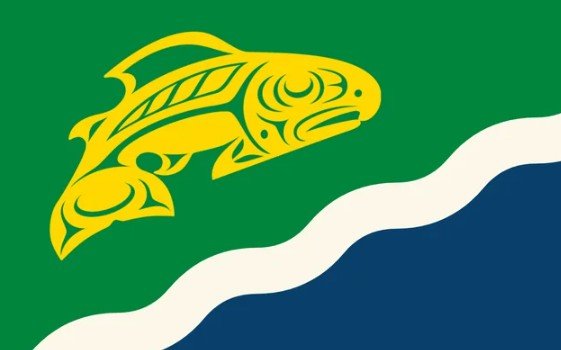
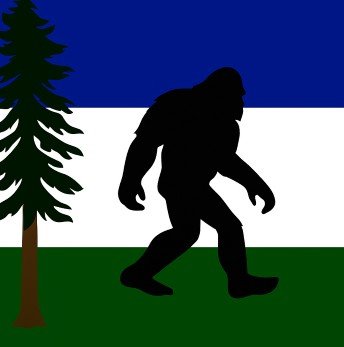
The Pacific Northwest is a region defined by its dramatic landscapes, where snow‑capped peaks rise above evergreen forests and rivers carve their way to the Pacific Ocean. Stretching from Oregon and Washington into British Columbia, it is a place where nature dominates daily life, shaping both the culture and the spirit of the people who call it home. The misty climate, abundant rainfall, and fertile valleys have given the region its lush greenery and its enduring nickname: Evergreen Country.
Cities like Seattle, Portland, and Vancouver serve as cultural anchors, blending innovation with a laid‑back lifestyle. Coffee shops, bookstores, and music venues thrive in these urban centers, reflecting the region’s reputation for creativity and counterculture. Yet even in the heart of the cities, nature is never far away—Mount Rainier looms over Seattle, the Columbia River winds past Portland, and Vancouver’s skyline is framed by coastal mountains. This constant interplay between wilderness and urban life is one of the Pacific Northwest’s defining traits.
The region’s waterways are equally central to its identity. The mighty Columbia and Snake Rivers have long been lifelines for trade and travel, while the Puget Sound and Chesapeake‑like bays support fishing, shipping, and recreation. Salmon runs remain both an ecological and cultural touchstone, connecting Indigenous traditions with modern environmental stewardship. The Pacific coastline, rugged and windswept, offers some of the most striking vistas in North America, with cliffs, tide pools, and beaches that feel untouched by time.
Culturally, the Pacific Northwest has cultivated a reputation for independence, sustainability, and innovation. It is home to pioneering tech companies, progressive environmental movements, and a strong sense of regional pride often expressed through the idea of “Cascadia”—a bioregion that transcends national borders. Whether through its music scenes, outdoor recreation, or commitment to conservation, the Pacific Northwest embodies a balance of wild beauty and human creativity, making it one of the most distinctive regions in North America.
Origins
The Pacific Northwest has been home to Indigenous peoples for thousands of years, with rich traditions tied to salmon, cedar, and the coastal landscape. European exploration began in the 18th century, with fur trading and maritime routes drawing settlers and shaping early economies. By the mid‑19th century, the Oregon Trail and treaties brought waves of migration, while logging, fishing, and shipping industries fueled growth. In the 20th century, the region became known for aerospace, technology, and environmental movements, blending its rugged natural heritage with innovation and cultural independence.
Name Story
The word “Cascadia” originates from the Cascades Rapids and the imagery of “cascading waterfalls” described by Scottish botanist David Douglas in 1825. He used the term “Cascades” while exploring the Columbia River Gorge, inspired by the rushing falls and rapids. The name “Cascadia” itself appeared later, first used for the town of Cascadia, Oregon, settled in 1890, and eventually adopted to describe the broader bioregion of the Pacific Northwest.

P.S. The coffee here tastes better under gray skies.
P.P.S. Don't forget your raincoat and rubber boots if you got 'em